Friday, February 21, 2014

Biru - ビル -

Sabishii no Tabi part 5
-  ビル - 
- Biru  -
(Building)

Biru is one of the words japanese used to say building. Japanese love short forms so biru comes from bi-ru-din-gu. Being a developed country, of course you would expect numerous modern architecture and skyscrapers in Japan. In this post, I will share some pictures of the buildings in Japan.

Skyscrapers of Shinjuku
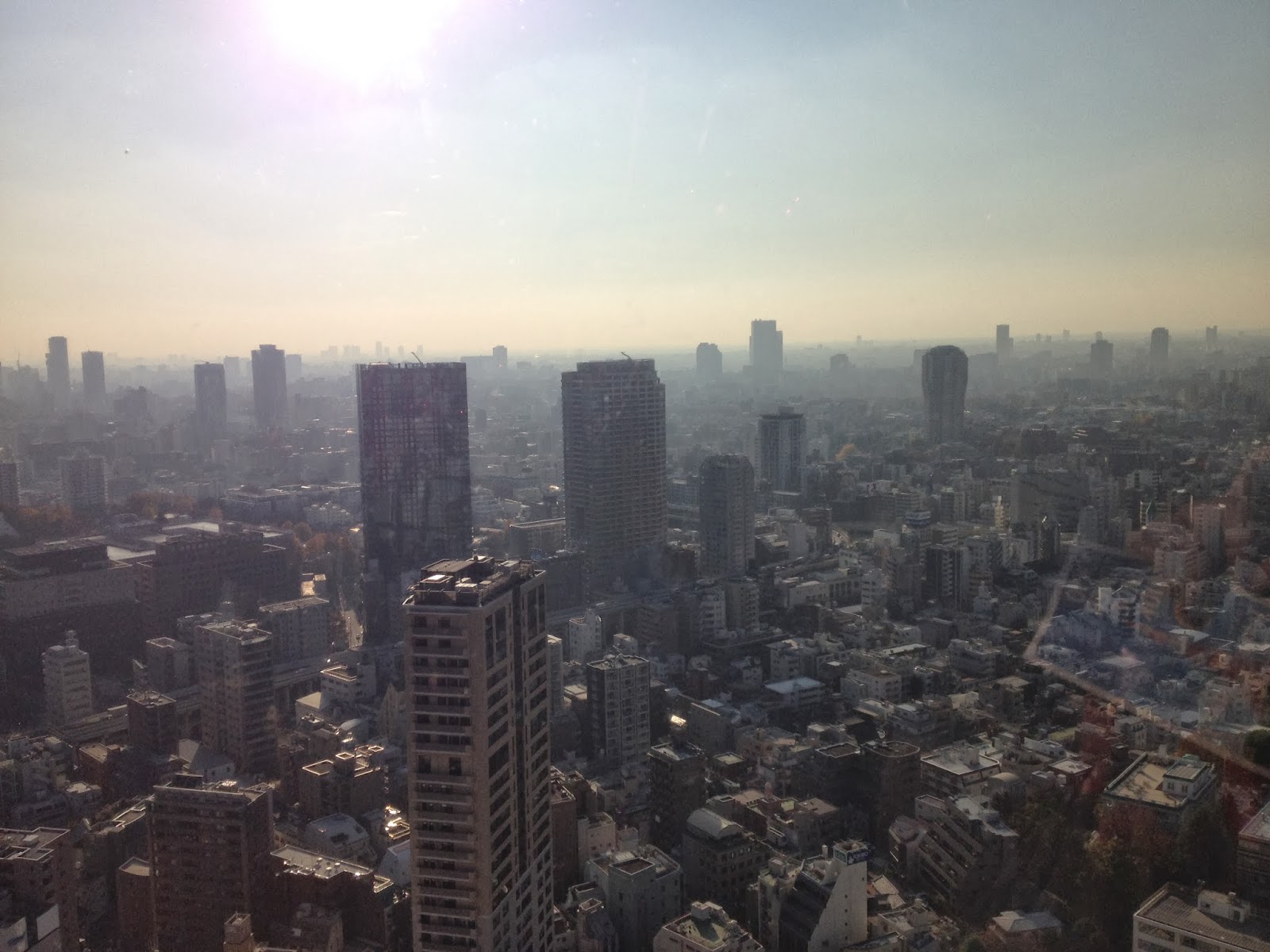
Its quite hard to appreciate the "skyscraper-ness" using my pictures - but Shinjuku is really filled with giant buildings!


Hikarie in Shibuya
Quite recently built - I think this is the tallest building in Shibuya


Umeda Skybuilding in Osaka
Osaka has less tall buildings compared to Tokyo, but some stands out then other. Umeda Skytower is one of them.

 View from far with Osaka station building in front
View from the observation deck


Of course, when talking about buildings in Japan, these two building should be the most iconic!
 Tokyo Tower & Tokyo Skytree

Tokyo Tower
Tokyo tower is the older broadcasting tower which is now replaced with Tokyo Skytree because there's too many tall buildings around Tokyo Tower that they need a taller broadcasting tower. 


 The architecture is very beautiful up close
 Some of the view from above - apparently you could see Mt Fuji from here, but it was foggy that day :(
Night view is awesome - but I went to Skytree for night view instead. 
 View at dusk
 

Tokyo Skytree
I have to apologize first because when I visited Tokyo Skytree, it was already dark and my phone's camera is crappy at night so the picture quality is quite bad. 

Still manage to take a day picture before it gets dark
 This would have been a very beautiful picture with the moon in the backdrop if my camera was good

 Tokyo Solamachi - the shopping complex at the base of Skytree

View from the observatory deck - again my camera at its worst ~ but the view is really beautiful! A must see if you visit Japan. 


Tokyo Tower vs Tokyo Skytree
Among Japanese, some like to have a fun debate on which is better, Tokyo Tower or Skytree? Tokyo Tower is sometimes referred to as a symbol of old/traditional Tokyo while Skytree relates more to modernism. So, its like old vs new, which has more appeal?

For me, I like the design of Tokyo Tower better - Tokyo Tower also has less que, when I went to Skytree that night I had to que for 40 minutes to get to the observation deck! 

The view is also slightly different - from Tokyo Tower you get a closer view of the tall building in Tokyo Downtown, while Skytree is built in the middle of Sumida-ku which is a normal housing district so the direct surrounding view is quite normal but you can still appreciate downtown Tokyo from far. 

But, the special view you can see from Skytree is the beautiful Sumida river which cannot be seen from Tokyo Tower because of the tall buildings surrounding the river from Tokyo Tower viewpoint. Finally, whichever you go to, both offers spectacular view! If you can choose only morning or night, definitely choose the night view!

So, the next post will be about... Yoru!

To end, allow to put my best shot of Tokyo Tower!

My best picture of Tokyo Tower - with remnants of autumn leaves :)


Monday, February 17, 2014

Jinja - 神社 -

Sabishii no Tabi part 4
-  神社 - 
- Jinja  -
(Shrine)

*technically there's different words for different types of temples, shrines etc... but Jinja I believe is one of the commonest word used to describe Shinto/Buddhist place of worship in Japan. 

Japan's main religion is Shinto Buddhism, a japanese once told me its a combination of Buddhism and Shintoism is animism practised by Japanese before Buddhism came. If you want to know more please read about it, I wont pretend I'm an expert in Shinto Buddhism. 

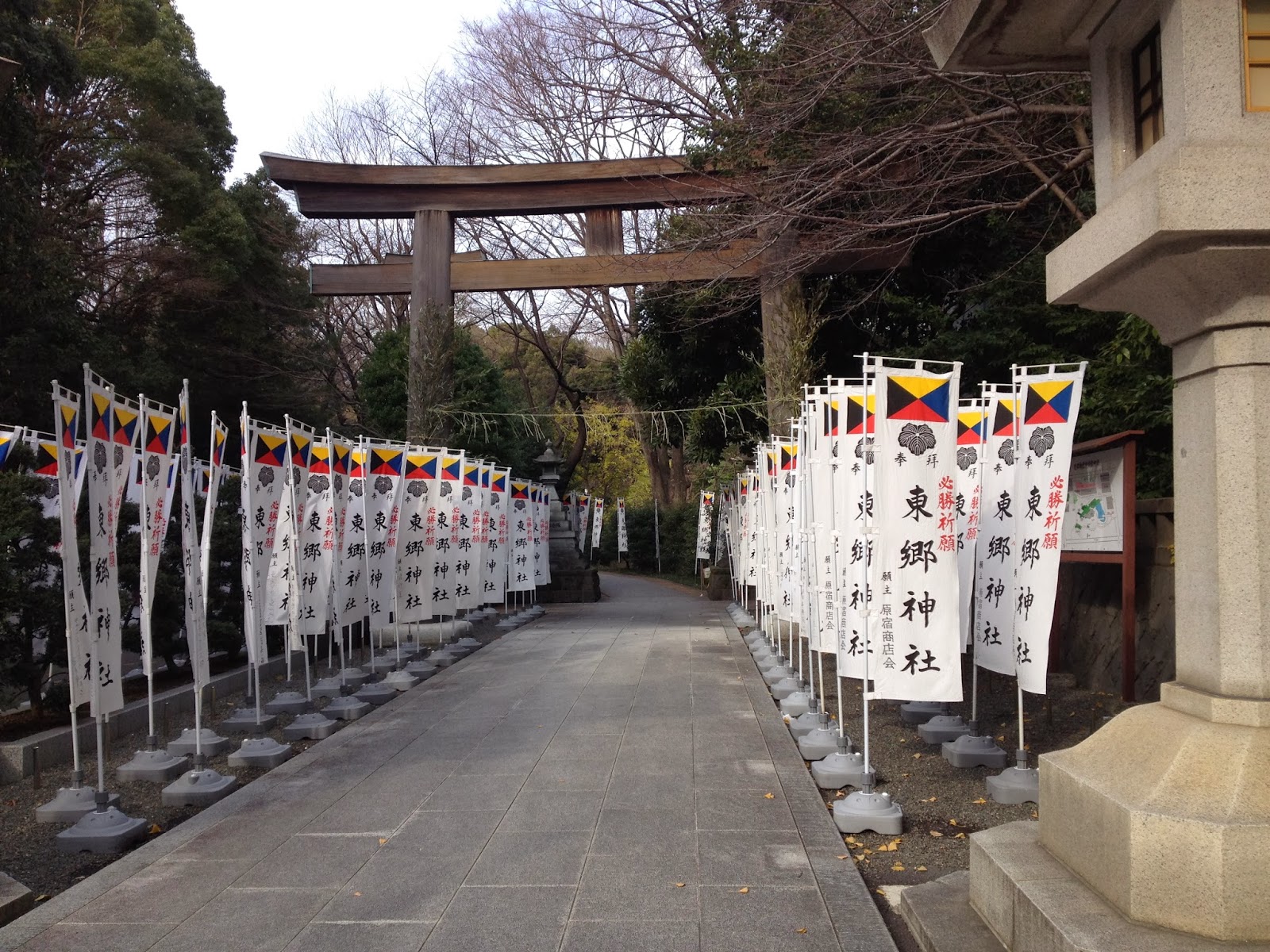
Japanese temples/shrines is one of the nation's main tourist attractions. Similiar to Koen (park), in the middle of  concrete jungle in big cities like Tokyo, one can often find a Jinja (whether big or small). Furthermore, because Shintoism is very closely related to nature, one can find Jinja at almost every important nature spots such as lakes, rivers, hills etc... 

Japanese people regularly visit shrines from young to old. I often see salaryman during working hours making a quick stop at a shrine to pray for few minutes then resuming walking to work. In certain days it can get really2 congested especially during Hatsumode, which I will talk in another post.

So pictures time!!

Zojo-ji - Tokyo

Zojo-ji main building offers a picturesque view with Tokyo Tower in the background. 

 Some of the charms/prayers plates symbolic to Japanese temple


  "Little buddha statue" lined up beautifully

Asakusa - Tokyo
One of the most famous temple in Tokyo. There's a marketplace inside where you can buy traditional stuff and foods. 

 Entrace
 Marketplace - almost always full with people
 Main building gate

 Main building
 Visitors taking in the smoke
 Washing hands before praying
 Main hall decorated with golden buddhist altar
Visitors praying

Meiji Jingu - Tokyo
A worship place with historical value. There's a main shrine, museums and garden. This area was dedicated to the Meiji's Emperor and the garden was built specifically for his sick wife. Located near the busy shopping district of Yoyogi, Shibuya, Harajuku and Omotesando, this place is truly what'd you call a peaceful haven in the middle of city. Its one of my favourite spot in Tokyo.  

 The entrance near Yoyogi eki
 After the entrace, visitors need to walk around 5-10 minutes to reach the main temple.But the path is very beautiful, you wont feel bored!
 Pond inside the garden

 During the right season, flowers bloom here! But its winter... so I can only imagine...
 Clear spring water found in the garden
 Entrace to the main temple
Main temple


Small Jinja around Tokyo

 In the middle of parks, its common to find a small shrine
 in the middle of the city

Also in the middle of city 
In the middle of Kichijoji Koen

Examples of Jinja found in "nature spots"


 Near the waterfall located on Takaosan trail
 On one of the lakes in Hakone
 Kabushima Island in Hachinohe
On one of the rocks formation at Kosode Coast, Kuji
Nara - notice the dear :)

Finally, there's other Jinja I've visited but I will post more about them later in another topic. Sneak peak:

 Koyasan

Fushimi Inari


Of course, being a muslim, I did not perform any religious activity there, merely taking pictures and observing. 

For me, this is where I pray

Tapi, yang kagum dengan Jepun ni bagaimana mereka boleh jadikan Jinja2 ne bukan sahaja tempat suci untuk orang2 dia, bahkan sangat terbuka kepada orang2 luar yang  langsung takdak niat nak beribadat kat situ (macam aku ler...).

Disebabkan itu, bukan sahaja tourism naik, duit masuk semua, tapi ia juga membolehkan orang luar begitu mudah memahami budaya mereka. Ini bagi saya satu perkara yang kita di Malaysia boleh ambil iktibar. Kebanyakkan masjid2 di Malaysia cantik2 binaannya tetapi sayang tidak diwarwarkan supaya orang luar boleh datang dan melihatseni bina dan budaya Islam itu (sambil menghormati orang solat dan menutup aurat la) . 

Adalah sesetengah masjid macam kat Putrajaya dengan Terengganu yang saya tahu dipromosi untuk orang luar datang melihat, sepatutnya diperbanyakkan lagi. Seperti contoh, bandar Kyoto - main attraction ialah temple2 die. Bukak la guide keluar list2 temple je banyak. Setiap temple ada sejarah nya masing2 dan seni bina yang menarik. Islam yang juga mempunyai budayanya yang dalam pasti boleh juga sampai ke tahap itu. Nak simpulkan, melawat Jinja2 kat Jepun ne saya dapat merasakan banyak yang boleh kita belajar dari mereka dalam bagaimana mereka menjaga tempat ibadat mereka dan "mempromosikan" agama mereka.  

Alright! Next part will be... Biru (building)!